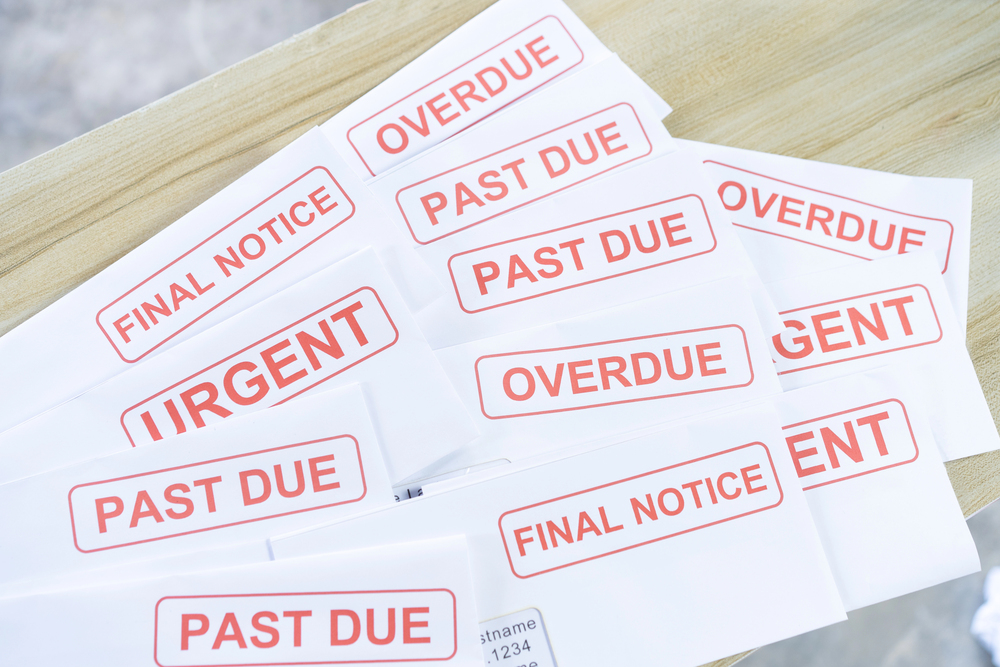
If you ask most people to name a formal solution for personal debt, they will tell you about bankruptcy, and possibly about Individual Voluntary Arrangements, very few will mention Debt Relief Orders. This is a significant gap in public awareness given that Debt Relief Orders are, in many cases, the most appropriate and most accessible formal solution for people dealing with lower levels of unmanageable personal debt. In 2025 alone, tens of thousands of DROs were registered in England and Wales, and the number has been rising consistently as eligibility has been expanded.
What a Debt Relief Order Is
A Debt Relief Order is a formal insolvency solution for individuals who have relatively low levels of debt, few assets and a low income. It is applied for through an approved intermediary, which is an authorised debt adviser rather than a court, and if granted it provides a twelve-month period during which creditors cannot pursue the debts included in the order and no payments are required. At the end of that twelve months, providing the individual’s circumstances have not changed significantly, the debts included in the DRO are written off entirely.
It is, in effect, a streamlined form of debt relief designed for people for whom bankruptcy would be disproportionate given the level of debt involved, and for whom an IVA would not be viable because there is insufficient income to make the monthly contributions an IVA requires.
Who a DRO Is Suitable For
The eligibility criteria for a DRO were significantly expanded in 2024, making the solution available to a broader group of people than previously. To qualify, an individual must have qualifying debts below a specified threshold, assets below a specified value, and a monthly surplus income below a specified level after reasonable living costs are accounted for. They must also not have had a DRO in the previous six years and must not be subject to another formal insolvency procedure.
The types of debt that can be included in a DRO are broadly the same as those covered by an IVA: unsecured debts including credit cards, personal loans, overdrafts, payday loans and in many cases utility arrears and council tax debt. Secured debts, student loans, court fines and child maintenance cannot be included.
How It Differs from Bankruptcy and IVAs
The most significant practical difference between a DRO and bankruptcy is the cost and process. Bankruptcy requires a court application and a fee, and involves a trustee in bankruptcy who takes control of the individual’s assets and financial affairs for the duration of the process. A DRO involves a much lower application fee, is administered through an intermediary rather than a court, and is considerably less intrusive in practical terms.
Compared to an IVA, the key difference is that a DRO requires no monthly contributions. It is specifically designed for people who have no meaningful surplus income to contribute to a repayment plan, whereas an IVA requires the ability to make regular payments over five or six years.
Both a DRO and bankruptcy appear on the Individual Insolvency Register and on the individual’s credit file, and both carry restrictions during the active period, including restrictions on obtaining credit above a specified amount. The DRO period is twelve months, after which the restrictions are lifted and the debts are discharged.
Why So Few People Know About It
Part of the reason DROs remain underused relative to other solutions is that they receive considerably less attention, both in general media coverage and in the conversations people have when they first seek help with debt. Bankruptcy has a cultural profile that DROs simply don’t, and IVAs are more widely marketed. The result is that people who would be well suited to a DRO often end up pursuing solutions that are either more complex or less appropriate for their circumstances.
At Adcroft Hilton, assessing which formal solution is right for each individual’s specific circumstances is the starting point for every conversation we have, and a DRO is always considered where the eligibility criteria are met. If you’re dealing with unmanageable personal debt and aren’t sure which option is right for you, we’re here to help you understand the full picture. Please get in touch.
Adcroft Hilton: Debt, Insolvency & Bankruptcy Specialists
Helping you make the right choice for your financial future.