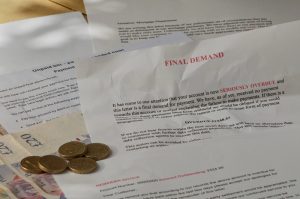
A winding up petition is one of the most serious steps a creditor can take against a business. It’s a formal application to the court asking for a company to be compulsorily liquidated, and once the process is set in motion, the consequences can escalate quickly. Understanding what it means and what options are available is essential, because the window to act is narrow.
How a Winding Up Petition Works
A creditor can apply to the court for a winding up petition once a debt meets the minimum threshold set out in the Insolvency Act 1986, the debt is undisputed and the company has failed to pay. The petition is then presented to the court, and if accepted, a hearing date is set.
Before the hearing, the petition is advertised in the London Gazette. This is the point at which the situation becomes particularly urgent, because the moment the petition is advertised, the company’s bank will typically freeze its accounts. A company that cannot access its banking is effectively unable to trade, and that position can deteriorate very rapidly.
The Period Before Advertisement
There is a period between the petition being served and it being advertised in the Gazette, and this is often the most critical window. If the debt is legitimate and the funds are available, paying it in full during this period is the most straightforward resolution. If the debt is disputed, it’s possible to apply to the court to have the petition dismissed or restrained from advertisement, but this requires prompt legal action and clear grounds for the dispute.
Options Available to the Company
Where a company has a viable business but is struggling with a specific debt or broader cash flow pressure, other routes may be available. A Company Voluntary Arrangement allows the company to propose a repayment plan to creditors and continue trading while that plan is in place. Administration is another option, providing a moratorium that temporarily prevents creditors from taking action while a longer-term solution is sought.
The right option depends on the company’s overall financial position, whether the underlying business is viable, and how much time remains before the next escalation point. These are not decisions to take without proper advice.
If the Petition Has Already Been Advertised
Once a petition is advertised, a validation order from the court can allow certain transactions to proceed despite the bank freeze, but this is a short-term measure rather than a resolution. The focus at this stage shifts to what happens next for the company, its directors and its creditors.
If you’ve received a winding up petition or been made aware that one has been issued against your company, the most important thing is to take advice immediately. The sooner you understand your position, the more options remain on the table.
Our team at Adcroft Hilton works with directors at every stage of this process. Get in touch today and we’ll help you understand exactly where you stand.
Adcroft Hilton: Debt, Insolvency & Bankruptcy Specialists
Helping you make the right choice for your financial future.