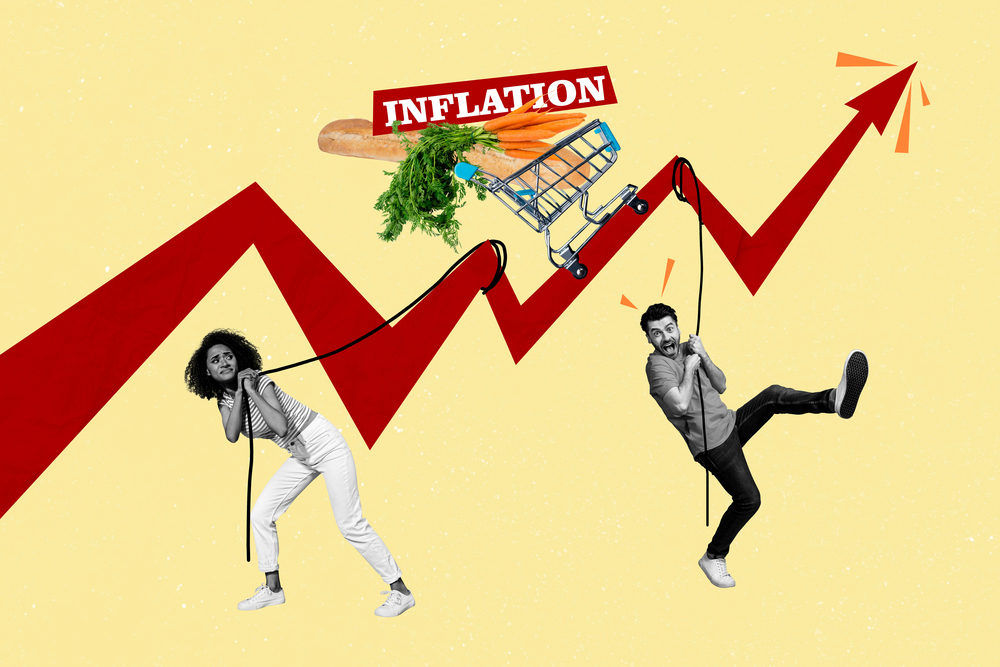
Inflation is often discussed in terms of rising prices, but its impact on household debt is just as important. When the cost of living increases, it does not simply affect day-to-day spending. It can also change how manageable existing debt becomes over time.
Understanding this relationship is key to maintaining financial stability, particularly during periods of prolonged economic uncertainty.
The pressure on everyday budgets
As inflation rises, the cost of essential items such as energy, food, transport and housing increases. For many households, these are non-negotiable expenses that must be paid regardless of wider financial circumstances.
When a greater proportion of income is absorbed by essentials, there is less flexibility within the household budget. This can make it more difficult to meet existing financial commitments, particularly where debt repayments are already fixed.
Even households that previously felt comfortable may begin to feel pressure as the gap between income and expenditure narrows.
The relationship between inflation and borrowing costs
Inflation and interest rates are closely linked. When inflation remains high, central banks may hold or increase interest rates to bring it under control. While the base rate may not always move immediately, the expectation of inflation can still influence borrowing costs.
This is particularly relevant for those with variable-rate borrowing, where repayments can increase as rates rise. It can also affect those looking to refinance, as new lending may be offered at higher rates than previously available.
As a result, the cost of servicing debt can increase even if the original borrowing remains unchanged.
The cumulative effect on existing debt
For households carrying higher levels of debt, inflation can have a compounding effect. Rising living costs reduce disposable income, while higher interest rates increase the cost of repayments.
This combination can lead to tighter financial conditions over time. In some cases, households may begin to rely more heavily on credit to bridge shortfalls, which can increase overall debt levels and make the situation more difficult to manage.
What begins as a manageable position can gradually become more challenging if these pressures persist.
The role of financial awareness
While inflation itself is outside individual control, awareness of its impact can make a significant difference. Understanding how rising costs and borrowing rates interact allows households to make more informed decisions.
Regularly reviewing financial commitments, keeping track of repayment levels and maintaining visibility over spending can help identify potential pressure points before they become more serious.
It is often the gradual changes, rather than sudden shocks, that have the greatest long-term impact.
Maintaining financial resilience
Periods of higher inflation do not automatically lead to financial difficulty, but they do require greater attention. Households that are proactive in reviewing their position are often better placed to adapt to changing conditions.
This may involve reassessing budgets, prioritising essential commitments and understanding how different financial factors interact. The aim is not to eliminate uncertainty, but to manage it more effectively.
A measured perspective
Rising inflation can increase the pressure on household debt, but it is only one part of a wider financial picture. With the right awareness and timely action, many households can continue to manage their commitments successfully.
The key is recognising how these pressures build and responding before they become unmanageable.
If you need help, please get in touch for a no-obligation consultation.
Adcroft Hilton: Debt, Insolvency & Bankruptcy Specialists
Helping you make the right choice for your financial future.