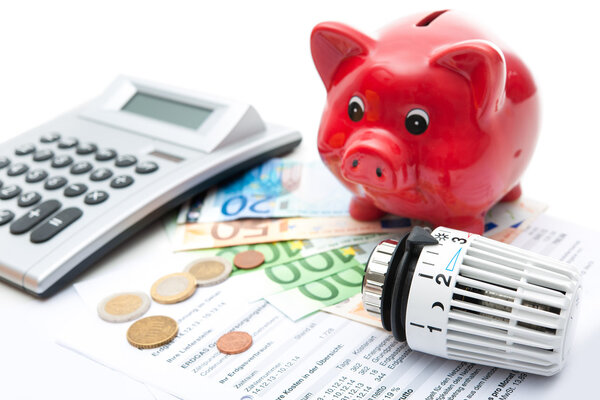
The cost of living crisis is real. It may affect different people in different ways. At the end of the day, however, most people will face three major areas of expenditure. These are housing, food and fuel (electricity and/or gas). With that in mind, here are some tips on how to save money on fuel costs this autumn and winter.
Seal up any gaps in your windows, doors and walls
In terms of safety, small gaps in your windows, doors and/or walls are usually nothing to worry about. They’re actually perfectly normal. In terms of sealing in heat, by contrast, they’re bad news. The good news is that they’re usually easy to seal. Putty and tape are generally your best options.
Block up gaps under doors with draft excluders. The ones that attach to the bottom of the door are convenient. If, however, money is really tight, there are lots of affordable ways to improvise them. Old tights can be a great option, especially if they’re thick and coloured. If you have a letterbox in your front door, insulate that too.
Use bedding instead of central heating
Once the cold really starts to bite, many people will want, or even need, extra heating at night. Instead of switching on the central heating, try getting smart with your bedding. Two options stand out here. These are sleeping bags and electric blankets.
Sleeping bags are the most economical option of all. Since you’ll be using them indoors, you only need basic (affordable) ones. They use no fuel but can be much warmer than duvets. As a bonus, there’s no danger of a sleeping bag being kicked off the bed or pulled about by a restless sleeper. They’re also safe for people who might have little accidents.
Electric blankets are more expensive to buy and run. They are, however, still likely to be much more economical than heating a room. Electric blankets are also a good solution when people share rooms. Children can have their own electric blanks and set them to their own tastes. Adults can have dual-zone electric blankets and do likewise.
Cook smart
If you have access to a standard oven, then only use it if you can fill it. If you don’t need all the food, then freeze it. If you routinely find yourself using an oven to cook small amounts of food, then it’s time to make a change.
If you have the budget and the space, you could invest in a mini-oven. These can just be plugged into wall sockets like other small appliances. They do the same job as a regular oven. Since they are smaller, however, they use less power.
If you don’t have the budget and/or space for this, then limit your use of the oven. Stick to microwaves, multicookers and/or the hob/grill. Microwaves can be used for a lot more than just reheating food. You really can cook from scratch with them.
Multicookers are essentially devices that combine a pressure cooker and a slow cooker. They come in a range of sizes, are fairly affordable to buy and are economical to run. Most people have access to a hob/hotplate and a grill that works independently of the oven. For hobs, aim to use as few rings as possible. With a grill aim to fill it full.
If you’re not a confident cook, there’s still time to improve your skills. There’s a whole lot of help available online. Most of it is free or very low-cost. Your local library may be able to help too. If you need even more persuasion, remember that improving your cooking skills can also help to cut your food bills.