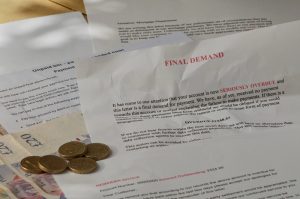
Saving in a cost of living crisis may seem like a contradiction in terms. Arguably, however, now is exactly the time most people should be prioritising saving more than ever. Realistically, credit may not be available when you need it. Even if it is, it can be expensive. Saving may be hard, especially in winter. For most people, however, it is possible. Here are some tips to help.
Check where you’re really spending your money now
You may think you’ve pared your spending to the bone. Possibly you’re right. Possibly, however, there are ways you could spend your money more astutely. This isn’t exactly about spending less each time you make a purchase. It’s about getting more value out of each purchase so you spend less overall.
Ideally, you should start by looking at the areas where you’re spending the most money when you do your analysis. This will probably vary according to the time of year. For example, in winter, you’ll probably spend a lot more on heating than you do in summer. You’ll analyse exactly where your money is going. Then you’ll see if there are ways you could reduce your spending.
In the real world, however, reducing spending in some areas can involve spending money to save money. This makes sense overall. It is, however, only a practical option if you actually have the money to spend in the first place. If you don’t, then keep moving on to areas where you can make changes without an initial outlay (or at a cost you can afford).
If you’re struggling to find a way to get started, then use the internet for inspiration and practical help. No matter what you’re looking to do or learn, it’s practically guaranteed that there are free online resources for it.
Get back into swapping and bartering
Selling unwanted stuff is standard advice for anyone looking to make a bit of extra money. Unfortunately, in the real world, the practicality of this advice is highly variable. If you do have high-value possessions you don’t want, then selling them can definitely be worthwhile. You would, however, need to proceed with caution for security reasons.
The less valuable your possessions are, the more carefully you should think about whether or not they’re really worth trying to sell, especially online. Swapping them might be a more practical option. If that fails, then even donating them could make more sense than trying to sell them. If you register as a donor, you may be able to claim tax relief on your donations.
Bartering, however, may have the potential to help you make noticeable savings. You almost certainly have a skill other people could use. Even if you’re not comfortable turning it into a business, you could still leverage it. Offer to provide your skill in return for something else you could use. This can be a major win for everyone.
Try to increase your earnings
If you’re struggling to save because you don’t have enough disposable income, then look at ways to increase your income. This can mean anything from making sure you claim any benefits to which you’re entitled, to side-hustling to monetising assets.
Side-hustling and monetising assets are likely to have tax implications but they can be more than worth it. Just remember that both options effectively make you a business owner. You, therefore, have to act accordingly. In particular, you need to inform yourself of any legal implications and make sure you have any necessary insurance.
If you really feel that you don’t have any skills you could use to side-hustle then make it a priority to learn at least one. There is a very good chance, you could get to a functional level in whatever skill you choose for free thanks to the internet.